



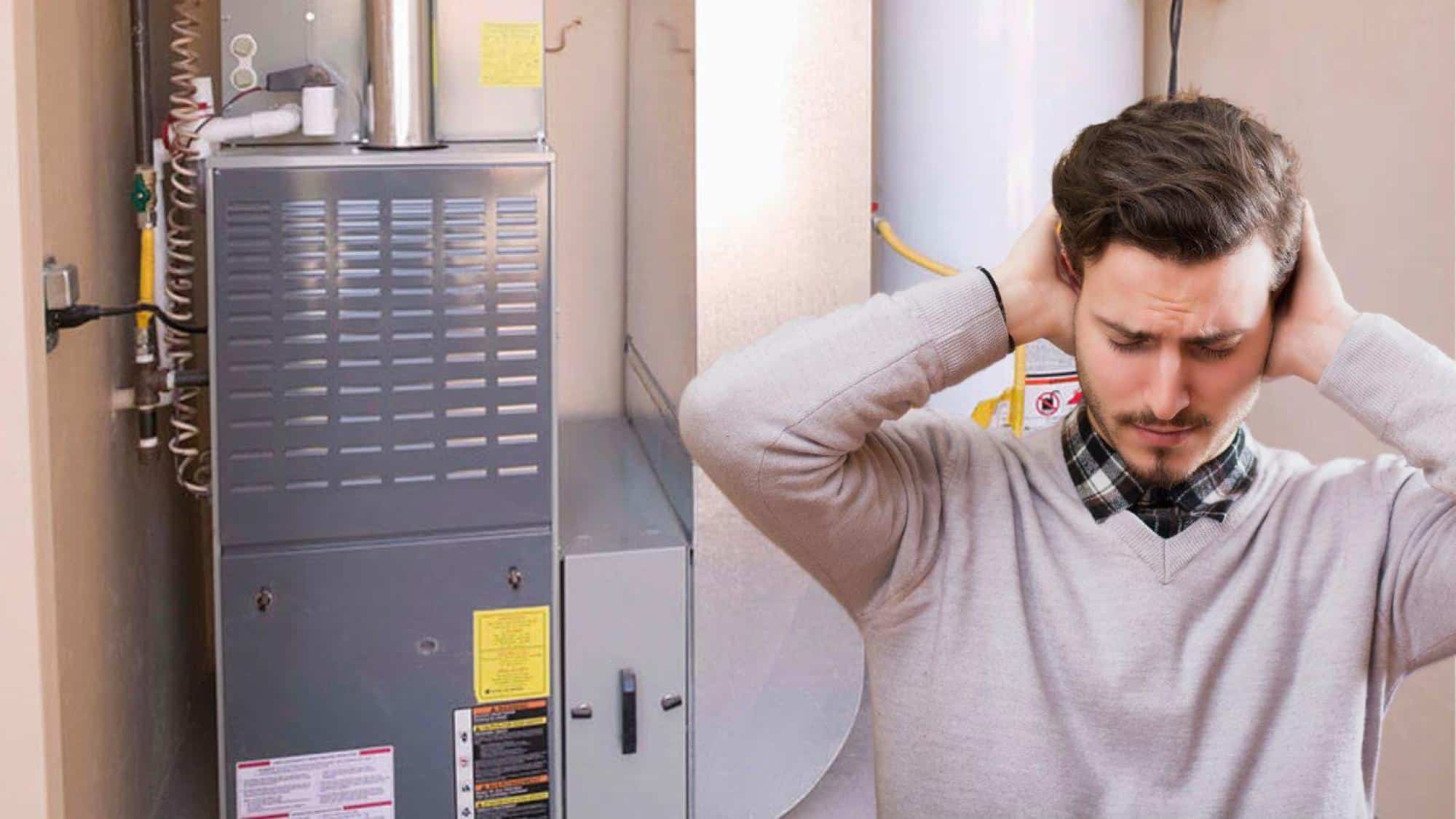
A furnace should produce some ordinary operating sounds, such as a gentle hum, airflow through the vents, or an occasional soft click when the system starts. However, banging or rattling sounds that are loud, sudden, repetitive, or noticeably different from the furnace’s normal operation deserve attention. These noises can come from loose components, ductwork, airflow restrictions, blower problems, or combustion and ignition issues.
For homeowners in Orange County, understanding where the noise comes from and when it occurs can help determine whether the issue is relatively minor or requires prompt professional inspection.
Why Is Your Furnace Making a Banging Sound?
A banging sound can have several causes. The timing of the noise is particularly useful when identifying the problem.
A loud bang that occurs immediately when a gas furnace starts can be associated with delayed ignition. If gas does not ignite promptly, it can accumulate before suddenly igniting, producing a noticeable boom. Dirty burners, ignition problems, or other combustion-related issues may contribute to delayed ignition.
A bang that happens after the furnace has already started may instead originate from the ductwork, blower assembly, or another mechanical component.
Rattling May Indicate Loose Furnace Components
Rattling is frequently associated with loose or worn components. Furnace access panels, screws, brackets, blower components, and sections of ductwork can vibrate while the system operates.
As equipment ages, vibration can gradually loosen hardware. A panel that was previously silent may begin producing a noticeable metallic rattle once the blower starts. Loose duct connections can create similar sounds as air moves through the system.
Although a loose panel may not represent a major repair, identifying the source early can prevent a small mechanical problem from becoming more complicated.
Ductwork Can Create Popping and Banging Sounds
Not every furnace noise actually originates inside the furnace. Metal ductwork naturally expands as heated air passes through it and contracts as it cools. This movement can sometimes produce popping, pinging, or banging sounds.
Pressure changes can also cause sections of sheet-metal ductwork to flex and suddenly return to their original position. This can create a sharp popping sound that may seem as though it is coming directly from the furnace.
If the noise is coming primarily from vents, walls, or duct runs rather than the furnace cabinet, the duct system should be considered as a possible source.
A Problem With the Blower Can Cause Rattling or Thumping
The blower assembly moves heated air through the home’s duct system. A damaged, dirty, unbalanced, or loose blower wheel can produce vibration, rattling, or repetitive thumping.
Blower motor bearings and mounting components can also wear with age. When the blower is running, these mechanical problems may become much more noticeable because the rotating components amplify vibration.
A persistent rattling that increases as the blower speeds up should not be ignored. Continuing to operate a furnace with a damaged mechanical component may result in additional wear.
Dirty Air Filters Can Contribute to Furnace Noise
A heavily clogged air filter restricts the amount of air entering the furnace. Restricted airflow can make the blower work harder and may contribute to pressure and overheating problems.
Checking the filter is one of the simplest things a homeowner can do. If it is visibly dirty, replacing it with the correct filter may improve airflow. However, a new filter will not correct an underlying mechanical, combustion, or ductwork problem.
It is also important to avoid assuming that every furnace noise is caused by the filter. Persistent banging or rattling should be professionally evaluated when changing the filter does not resolve the issue.
Why Delayed Ignition Deserves Immediate Attention
Among the possible causes of a banging furnace, delayed ignition is one of the most important to take seriously. A loud boom directly when the burner starts can indicate that fuel is not igniting as it should.
Repeated ignition problems can place stress on furnace components, including the heat exchanger. A damaged heat exchanger can present a serious safety concern because combustion gases, including carbon monoxide, can potentially enter the air stream.
If your gas furnace repeatedly produces a loud boom at startup, it is safer to turn the system off and arrange for a qualified HVAC professional to inspect it rather than repeatedly restarting it.
How to Tell Where the Noise Is Coming From
Before contacting a professional, homeowners can safely observe the noise without opening or dismantling the furnace.
Pay attention to whether the sound:
- Happens when the furnace starts
- Occurs while the blower is operating
- Appears when the furnace shuts down
- Comes from the furnace cabinet
- Seems to come from the vents or ductwork
- Gets louder as the blower speeds up
- Happens once or repeatedly during every heating cycle
This information can help an HVAC technician narrow down the potential cause more efficiently.
When Professional Furnace Repair Is Needed
Some noises may be caused by relatively simple issues, but homeowners should avoid attempting repairs involving gas valves, burners, ignition systems, electrical components, or heat exchangers.
If you notice repeated banging, strong vibration, grinding, unusual combustion sounds, or a noise accompanied by an unusual smell, professional evaluation is appropriate. A qualified technician can inspect the blower, burners, ignition system, heat exchanger, duct connections, and other components to identify the actual source.
For homeowners searching for furnace repair Orange County, choosing a qualified HVAC professional can help ensure that unusual noises are properly diagnosed rather than simply masked.
Preventing Furnace Noise Problems
Regular furnace maintenance can help identify loose hardware, dirty components, worn blower parts, airflow restrictions, and other developing problems before they become more serious.
Homeowners can also help by replacing filters according to the manufacturer’s recommendations, keeping supply and return vents unobstructed, and paying attention to changes in normal furnace sounds.
A new noise is often one of the earliest signs that a furnace needs attention. Addressing it promptly may help prevent a relatively small mechanical problem from developing into a more expensive repair.
Final Thoughts
Banging and rattling sounds should not automatically be treated as evidence of a major furnace failure, but they should not be ignored either. Loose panels, duct expansion, airflow problems, blower components, and ignition issues can all produce unusual sounds, and the timing and location of the noise can provide useful clues.
For gas furnaces, a repeated bang during startup deserves particular attention because delayed ignition can create a serious safety issue. When the cause is uncertain, professional inspection is the safest way to determine whether your Orange County furnace needs a minor adjustment, a component repair, or more extensive service.
